Olive Oil vs Rapeseed Oil: Which Fits Your Kitchen?
Olive oil vs rapeseed oil compared on fat profile, cooking and taste, with USDA data and our published lab analyses.

Quick answer: Olive oil and rapeseed oil are both mostly monounsaturated fats. Per 100 g, USDA data lists olive oil at about 13.8 g saturated fat and rapeseed (canola) oil at about 7.4 g, while rapeseed has more polyunsaturated fat (28.1 g against 10.5 g). Extra virgin olive oil adds flavour and natural polyphenols, and refined rapeseed oil tolerates higher heat.
Olive oil vs rapeseed oil is a question we hear a lot from UK customers, because rapeseed is the oil many British kitchens already use, often sold simply as “vegetable oil”. Here we compare the two on fat profile, cooking, taste and the so-called seed oil debate, using published data and our own lab reports, so you can pick the right one for each job.
Key takeaways
- Rapeseed oil has about half the saturated fat of olive oil, while olive oil has more monounsaturated fat and rapeseed oil more polyunsaturated fat (USDA).
- Refined rapeseed oil suits frying and roasting at high heat, while extra virgin olive oil is also stable in ordinary kitchen use.
- Extra virgin olive oil contains polyphenols. We select ours from 600 to 1100 mg/kg, depending on the oil.
- Many bottles labelled “vegetable oil” are 100% rapeseed oil, so check the label.
- You do not have to choose one. Many cooks use rapeseed for neutral high-heat jobs and extra virgin olive oil for flavour.
What is the difference between olive oil and rapeseed oil?
Olive oil is extracted from the fruit of the olive tree. Rapeseed oil comes from the seeds of a plant in the mustard and cabbage family, the bright yellow crop you see across UK fields. Extra virgin olive oil is made only by mechanical means, and EU rules cap its free acidity at 0.80% (Delegated Regulation (EU) 2022/2104). Rapeseed oil is sold refined, which is neutral in taste, or unrefined, often labelled cold-pressed, which is nutty and more flavourful.
How do the fats compare?
These are USDA FoodData Central values per 100 g of oil:
- Olive oil: 13.8 g saturated, 73 g monounsaturated, 10.5 g polyunsaturated.
- Rapeseed (canola) oil: 7.4 g saturated, 63.3 g monounsaturated, 28.1 g polyunsaturated.
The British Heart Foundation notes that rapeseed oil has the lowest saturated fat of the common cooking oils and a good balance of omega-3 and omega-6 fats. Olive oil contains polyphenols, which we explain in polyphenols in olive oil. Both oils are high in unsaturated fat. We do not claim that one is better for you than the other.
Which is better for cooking?
For high-heat frying, searing and roasting, refined rapeseed oil has a higher smoke point and a neutral taste, which is why it is so common in British kitchens. Extra virgin olive oil has a lower smoke point on paper, but a 2022 review in Trends in Food Science & Technology argues that smoke point is a poor guide to how an oil behaves, and that extra virgin olive oil stays stable in normal cooking. We go through the numbers in our guide to the olive oil smoke point.
For baking, either works. Olive oil gives a fruitier crumb, as in our lemon olive oil cake, while refined rapeseed oil disappears into the background. For dressings, dipping and finishing, extra virgin olive oil is the clear choice because its flavour is the point.
Is rapeseed oil bad for you?
You will find loud claims online about seed oils. We do not give health advice, so for questions about your own diet, ask your doctor or a dietitian. What we can say is a fact about the crop: older rapeseed varieties had high levels of erucic acid, and modern rapeseed oil is bred to be almost free of it.
The more useful point is what the oil replaces. In the EU and the UK, the authorised wording on fats is about replacing saturated fats with unsaturated fats, and both oils are high in unsaturated fat. We set out what we can and cannot say in is olive oil healthy.
What about olive oil vs sunflower oil and vegetable oil?
Sunflower oil is a refined seed oil with a very high share of polyunsaturated fat. “Vegetable oil” is a blend or a single oil, and in the UK it is often 100% rapeseed oil, according to the BHF, so the same comparison applies. Read the ingredients list: it tells you which oil you have.
How do you choose between them?
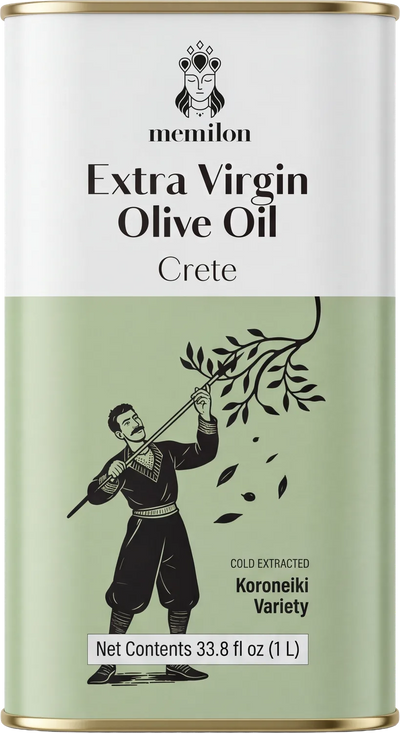
- Everyday cooking with flavour: Memilon Crete, 100% Koroneiki from Phaistos, selected with acidity up to 0.3% and polyphenols from 700 mg/kg.
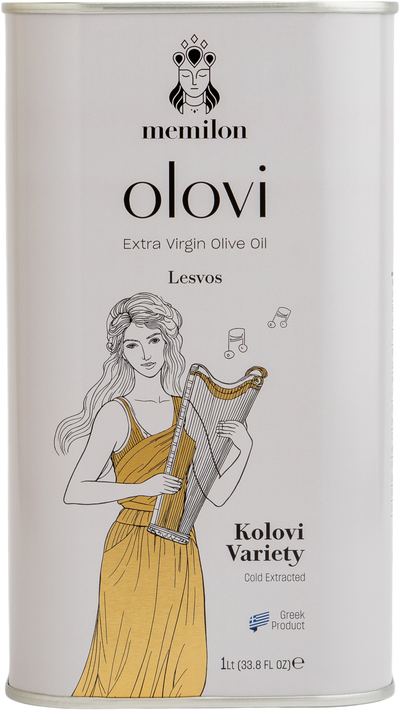
- A delicate finishing oil: Memilon Lesvos, rare Kolovi olives from Plomari, selected with acidity up to 0.3% and polyphenols from 600 mg/kg.
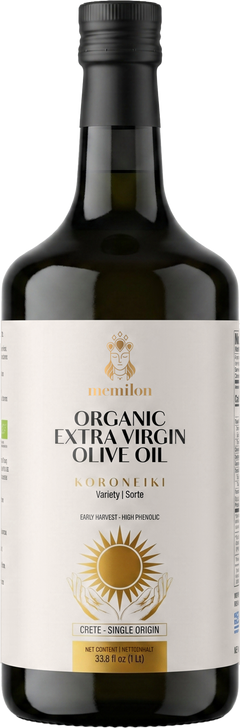
- The most polyphenols: Memilon BIO Crete, organic early harvest, selected with acidity up to 0.25% and polyphenols from 1100 mg/kg, our highest threshold.
- Neutral high-heat frying: a refined rapeseed oil is a sensible, low-cost choice.
These thresholds apply. Our published analyses are on the lab analyses page, and you can browse the full Greek olive oil collection.
Frequently asked questions
Is rapeseed oil healthier than olive oil?
Rapeseed oil has less saturated fat and a good balance of omega-3 and omega-6, and olive oil has polyphenols. Both are high in unsaturated fat, so we do not rank them. For questions about your own health, ask your doctor or a dietitian.
Which is the healthiest oil to cook with?
There is no single winner. Choose by the job: a neutral refined oil for very high heat, extra virgin olive oil where you want the flavour, and keep an eye on the amount.
Why are people anti-rapeseed oil?
Mostly because of claims online and old concerns about erucic acid, which modern rapeseed varieties are bred to be almost free of.
Is rapeseed oil inflammatory?
We cannot give health advice, so we leave that question to your doctor or a dietitian. What we can show you is the fat profile above, from USDA data.
Which oil is better for baking?
Both work. Olive oil adds a fruity flavour and rapeseed oil stays neutral, so choose by the taste you want.
Sources
- British Heart Foundation, Is rapeseed oil healthy? (updated 2 April 2026)
- USDA FoodData Central, Oil, olive, salad or cooking
- USDA FoodData Central, Oil, canola
- Delegated Regulation (EU) 2022/2104, EUR-Lex
This article is general information about olive oil and does not replace advice from a doctor or dietitian.
Keep Reading
How to Read an Olive Oil Lab Analysis and LOT Number
An olive oil lab analysis lists a few measured values, from acidity to K values. We explain each line, the extra virgin...
Read the article
What Does Extra Virgin Olive Oil Mean? The EU Rules Explained
Extra virgin is the top EU grade of olive oil. We explain the limits, how it differs from virgin oil, and what...
Read the article
Cold Pressed vs Cold Extracted Olive Oil: The Label Explained
“First cold pressing” on a label means a first pressing with hydraulic presses below 27 °C. Here is what the EU rules...
Read the article