
Olive Oil School: Polyphenols, Acidity & How to Buy
What free acidity actually measures, why polyphenols matter, and how to tell a genuinely good extra virgin olive oil from a well-designed label. Plain explanations, no marketing.
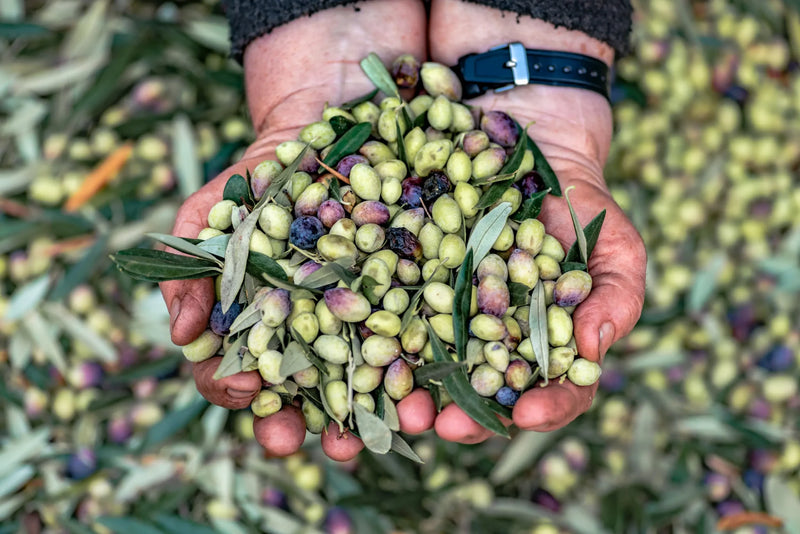
How to Spot a Truly Great Extra Virgin Olive Oil
Not all olive oils are created equal. Discover the signs of truly great extra virgin olive oil and learn how to choose the best for your...
Read More →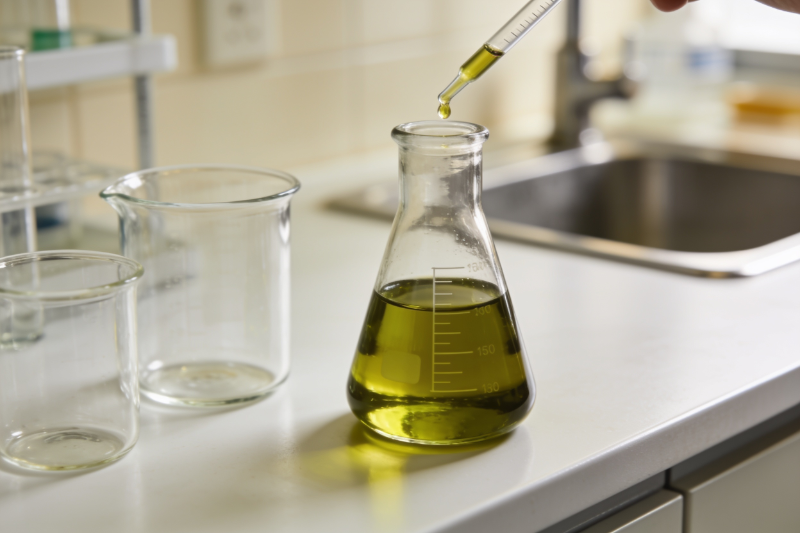
Acidity in Olive Oil: What It Really Means
Acidity in olive oil isn’t about taste—it’s about quality. Learn how it’s measured, why it matters, and what a low level really tells you.
Read More →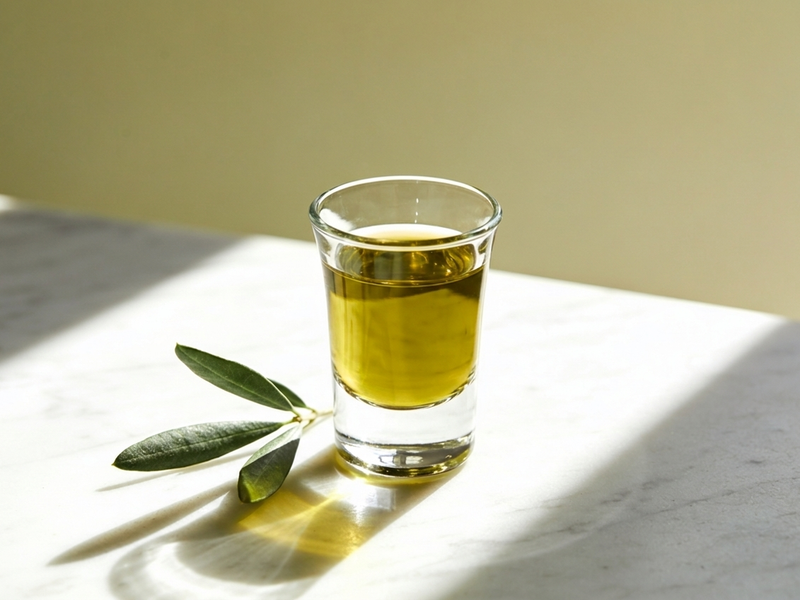
The Power of Polyphenols: Why Extra Virgin Means Extra Good
What polyphenols in extra virgin olive oil are, why you can taste them as a peppery finish, why they fade with time, and how to read...
Read More →Questions We Get Asked Most
What does the acidity number on the label actually mean?
Free acidity measures how much the oil’s fatty acids have broken down — usually because the fruit was bruised, stored too long, or pressed late. It is not something you taste directly, but it is one of the clearest indicators of how carefully the olives were handled. Extra virgin allows up to 0.8%; our oils sit at 0.20–0.30%.
How long does olive oil keep, and how should I store it?
Best within 18 months of harvest, and best kept cool, sealed and away from light. Heat, oxygen and light are what age an oil — which is why we bottle under nitrogen into light-proof containers with non-refillable pourers.
Where do I find the LOT number on my bottle?
On tins it is printed on the shoulder, just below the cap; on the BIO Crete glass bottle it is on the back label above the best-before date. Enter it on the Check Your LOT Number page to see the full analysis for your exact batch.
Is a peppery, slightly bitter finish a fault?
The opposite. That peppery catch at the back of the throat comes from polyphenols — the antioxidants that make a fresh extra virgin oil worth buying. A completely smooth, neutral oil usually means they are gone.
What is the difference between Crete and Lesvos?
Variety and place. Crete is 100% Koroneiki from Phaistos — bold, grassy, peppery. Lesvos is 100% Kolovi from Plomari — golden, light, delicately fragrant and elegant. Neither is better; they suit different food.
Can I cook with it, or is it only for finishing?
Both. A high-polyphenol extra virgin oil is more stable under heat than most people assume, so it is suitable for cooking and even frying. It is just also good enough that it would be a shame never to taste it raw.


